
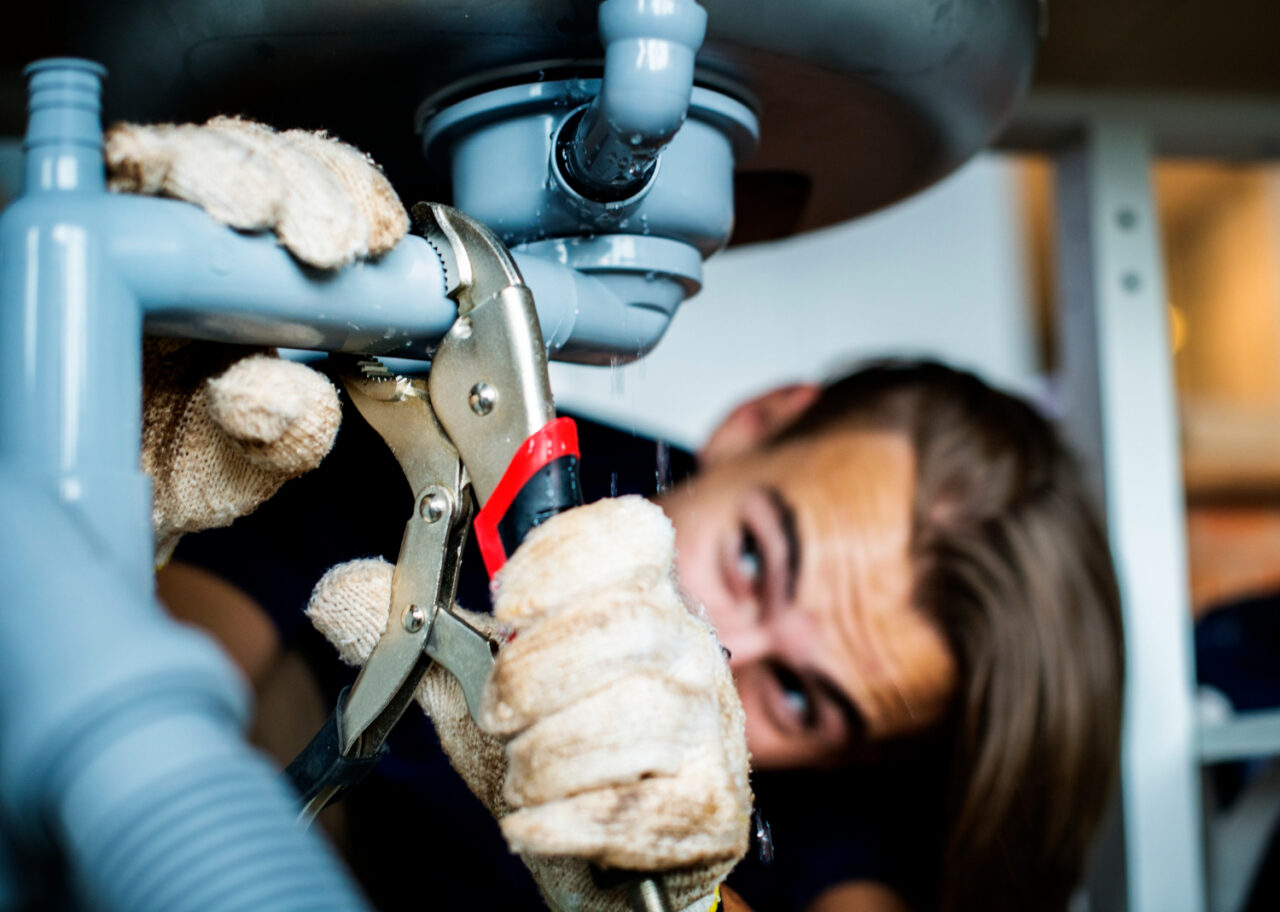
Stop Costly Water Damage Before It Starts
Burst pipes can turn a normal day at home into a soaked, stressful mess. Water can spread fast, soaking drywall, flooring, cabinets, and personal items. If it sits, it can lead to mold, bad smells, and repairs that take a long time.
Here in Brevard County, our homes deal with strong sun, heavy summer storms, and humid air almost year-round. Those conditions are hard on plumbing. Pipes can weaken over time, then suddenly fail during a storm, a pressure spike, or a small shift in the ground.
We want to share clear, practical steps you can take to lower your risk of a burst pipe, along with what to do if one suddenly lets go. With a little planning and help from local burst pipe repair services, you can protect your home and stay ahead of plumbing emergencies.
Why Pipes Burst in Brevard County Homes
Our local climate is tough on plumbing, even without freezing weather. Different types of stress slowly wear down pipes until one bad day becomes an emergency.
Here are some common reasons pipes burst around Brevard County:
- Rapid temperature swings that make pipes expand and contract
- Heavy rain and storms that shift soil and strain buried lines
- Old pipe materials that are past their prime
- High water pressure and rough valve use in the home
Rapid changes in temperature, like when a strong cold front moves through, can cause pipes to expand and contract. Over time, this movement can weaken joints, fittings, and older connections inside walls and ceilings.
Hurricane season and long rainy stretches can also create problems. Soaked soil can shift, pressuring underground pipes and causing small cracks or leaks. Standing water around the foundation can speed up corrosion on older metal pipes and fittings.
Aging plumbing is another big factor. Older galvanized or polybutylene pipes are more likely to fail than modern PEX or copper. We also see issues from DIY or unpermitted work, such as:
- Pipes that are not properly supported
- Loose or mismatched fittings
- Connections that were not tightened or sealed correctly
Inside the home, water pressure and day-to-day habits matter. Constantly high pressure, or snapping a valve closed in a hurry, can send a pressure surge through already stressed pipes. Running several high-demand fixtures at once, like showers, laundry, and outdoor spigots, can push weak spots closer to failure.
Seasonal Pipe Protection for Brevard’s Climate
Even in a warm climate, pipes need seasonal care. Fall is a great time to get ready for the busy end-of-year season and our strongest storms.
For cooler, breezy periods, it helps to:
- Insulate exposed pipes in garages, attics, and crawlspaces
- Check pipes in exterior walls for signs of past moisture
- Protect hose bibs and irrigation lines from direct sun and wind
Outdoor hose bibs and irrigation lines should be checked often. Disconnect hoses when you are not using them for long periods so pressure is not trapped in the line. A stretched hose sitting full of water in the sun can add stress to the connection at the wall.
During the hurricane and rainy season, focus on water outside the house.
- Standing water near the foundation
- Low spots in the yard that stay soggy
- Exposed or rusty sections of outdoor piping
If you have older or corroded main supply lines, having them inspected before peak storms roll through can reduce the chance of a surprise break when the ground shifts.
Year-round, a few habits go a long way. An annual whole-home plumbing inspection helps catch small leaks, early corrosion, and loose fittings. In some homes, it also makes sense to add a pressure regulator or water hammer arrestors to calm pressure spikes and protect the system.
Early Warning Signs Your Pipes Are at Risk
Many burst pipes give little hints before they fail. Paying attention to small changes can save you from bigger trouble later.
Inside the home, watch and listen for:
- Ticking, banging, or knocking sounds in the walls when water turns on or off
- Water pressure that comes and goes from strong to weak
- Discolored or cloudy water for a few seconds when a faucet first turns on
- Small wet or damp spots on ceilings, baseboards, or around fixtures
These signs can mean water is escaping somewhere in the system or that pressure is not stable.
Outside, keep an eye on your yard and exterior pipes. Warning signs include:
- Mushy or extra-green strips of grass that stay wet
- Puddles that form even when it has not rained
- Rust, peeling paint, or mineral buildup on exposed pipes and fittings
- A rising water bill even though your usage has not changed
If you notice any of these, it is smart to get a licensed plumber involved before a full pipe burst happens. Local burst pipe repair services can perform leak detection, check pressure, and make targeted repairs so a small issue does not turn into a flooded room.
Emergency Steps When a Pipe Bursts
If a pipe suddenly bursts, quick action can limit water damage and stress. Every family member who is old enough should know the basic steps.
First, shut off the main water valve to the home. Take time now, before an emergency, to find out exactly where it is and how to turn it. In many homes, it is near the street, in a garage, or on an exterior wall.
If water is near outlets, appliances, or the breaker panel, it is wise to turn off electricity to the affected area if you can safely reach the panel without stepping into standing water.
After the main water is off, open a few faucets in the home. This helps relieve any remaining pressure trapped in the lines and slows the leak at the break.
Before cleanup starts, take quick photos and short videos of the damaged areas. This can help when you speak with your insurance company about what happened and what was affected.
Then contact local burst pipe repair services that are licensed and insured and that offer same-day and 24/7 emergency response in Brevard County. When you speak with the dispatcher, it helps to share:
- Where you think the leak is located
- How long water may have been running
- Whether electricity is still on in the area
- What damage you can see so far
This information helps the plumber prepare and respond more quickly when they arrive.
How Professional Plumbers Fix and Prevent Burst Pipes
During an emergency visit, a plumber will start with an assessment of the situation. They will work to locate the exact source of the leak, which is not always the same as where water shows up on the floor or ceiling.
Typical steps include:
- Leak detection to find the precise break
- Shutting off or isolating the damaged line
- Cutting out cracked or broken pipe sections
- Replacing them with appropriate modern materials
A good repair does more than patch the visible damage. Professional plumbers also look for related issues, like water-damaged shutoff valves, loose fittings, or hidden secondary leaks along the same run of pipe.
For homes with older or problem-prone plumbing, long-term options may include partial repiping of trouble spots or a full-home repipe with more reliable materials. Upgrades such as new shutoff valves, pressure regulators, or smart leak-detection systems can offer added protection and early warnings.
Working with a local Brevard County plumber has clear advantages. A nearby team understands local building practices, soil conditions, and how our weather patterns affect plumbing. Established companies that provide 24/7 burst pipe repair services can also offer ongoing maintenance help and more reliable scheduling for repeat customers.
By knowing the risks, watching for early warning signs, and having a plan for emergencies, you can greatly lower the chance of a burst pipe turning your home upside down.
Protect Your Home With Fast, Reliable Pipe Repairs
If you suspect a hidden leak or have already discovered water damage, our team at Orange Plumbing is ready to help. Learn how our trusted burst pipe repair services can limit damage and restore your plumbing quickly. For urgent questions or to schedule a visit, simply contact us and we will respond promptly.